Charleston, SC and nearby islands
Patches, water-damage repairs and texture matching for Lowcountry homes, with local rules explained.
Request a free quote
What we do
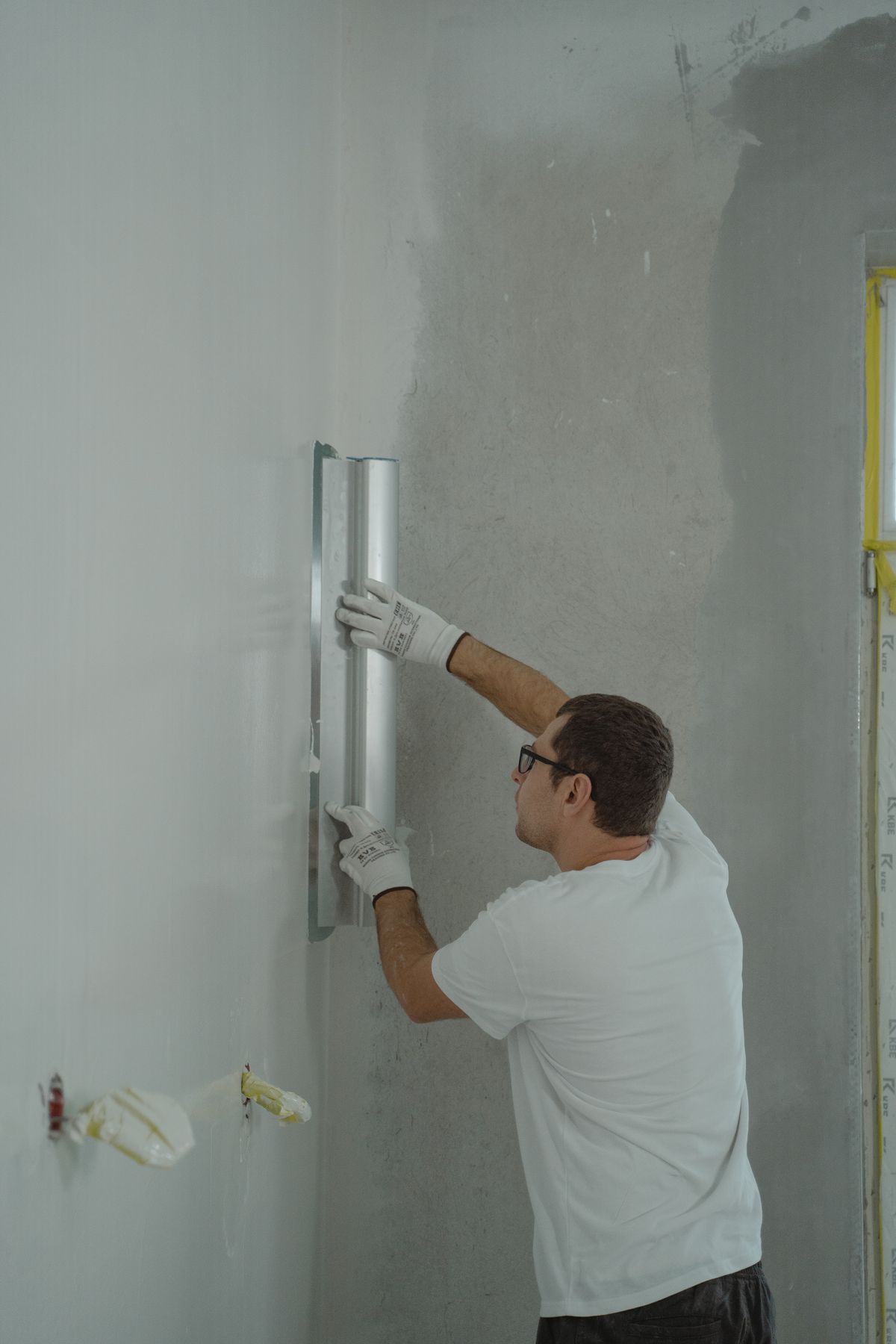
Holes, cracks, dents and failed seams patched, taped and finished smooth.
Learn more →
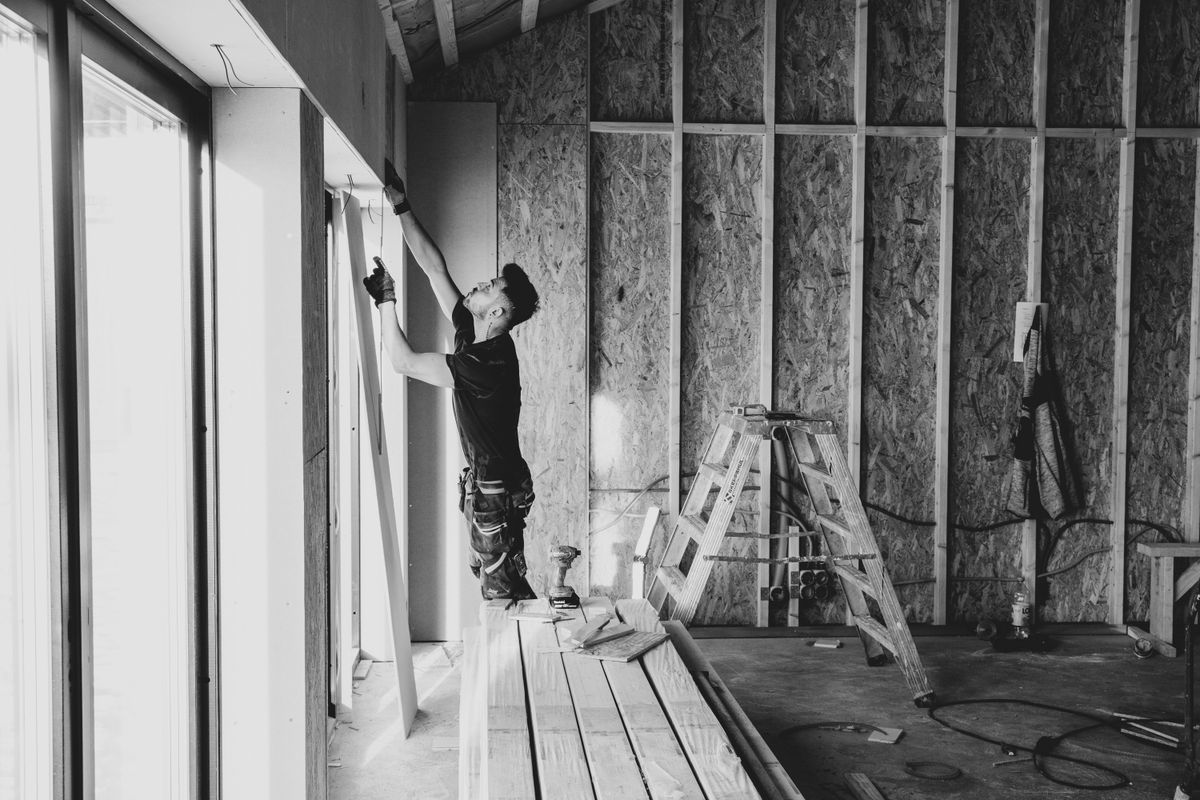
Wet or stained drywall cut out, dried behind and replaced.
Learn more →
Knockdown, orange peel and skip-trowel patches blended into the existing wall.
Learn more →How it works
Describe the holes, cracks or water damage and your area.
We reach out to talk through the cause, scope and timing.
Compare the written quote and decide on your schedule.
Areas we serve
Each area has its own review boards, associations and conditions. Start with yours.
Charleston humidity and storm water make moisture the main drywall question.
Johns Island homes sit near marsh and tidal drainage, so wet-wall repairs deserve a moisture check first.
On Kiawah Island, repairs after storm damage can bring design review into play.
Seabrook Island repairs involve town rules and a property owners association alongside the drywall itself.
Questions
Yes. Most holes, dents and cracks can be patched. A full sheet is usually replaced only when damage is widespread or the board is wet or crumbling.
South Carolina lists painting and the taping and finishing of drywall among residential specialty contractor work. Rules and thresholds change, so check any contractor on the state LLR license lookup before you hire.
Quickly. AIHA-cited guidance says to remove building materials not dried within 72 hours, and flood cuts are typically made 6 to 12 inches above the wet drywall.
Not until the source is fixed and the area is fully dry. Painting over damp or moldy drywall hides the problem and can trap moisture.
Most common textures can be blended. Send a close-up photo with your request so the right method can be chosen.